Fines for illegal dumping in SW1: What Westminster enforces
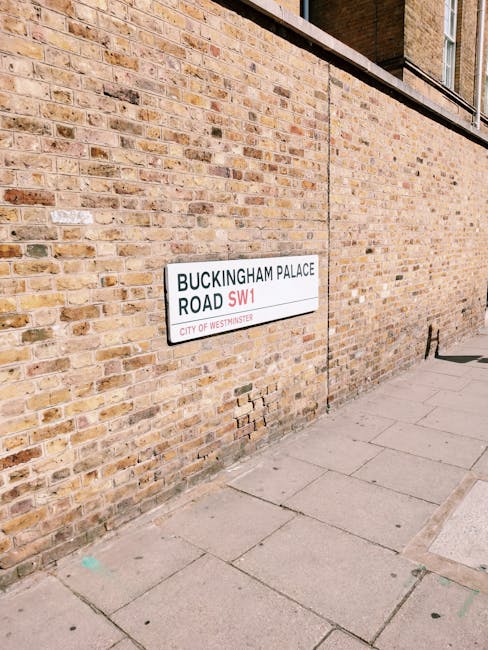
If you have ever seen a sofa left beside a bin store, a builder's rubble pile on a quiet street, or a mystery black bag dumped after dark, you already know why this topic matters. Fines for illegal dumping in SW1: What Westminster enforces is not just about punishment; it is about keeping Westminster's streets safe, usable, and frankly a lot less grim to walk through on a damp Monday morning.
In SW1, the difference between a legitimate clearance and fly-tipping can be smaller than people think. A bag left "just for now" outside a building, a skipped booking, or a tradesperson who did not take the waste away properly can quickly turn into a council enforcement issue. This guide explains how Westminster typically approaches enforcement, what kinds of penalties are commonly involved, what residents and businesses should watch out for, and how to avoid making an expensive mistake.
We will also cover the practical side: what to do if you need waste removed, how to reduce risk, and how to choose a lawful clearance route that suits your property, schedule, and budget. To be fair, most people do not set out to cause a problem. It usually starts with convenience, then turns into a headache.
Why Fines for illegal dumping in SW1: What Westminster enforces Matters
Illegal dumping is not a harmless shortcut. It affects pavement access, attracts vermin, blocks entrances, creates fire risk in communal areas, and can leave landlords, tenants, managing agents, or shop operators dealing with a mess they did not create. In a busy part of central London like SW1, those knock-on effects show up fast.
Westminster enforcement matters because waste left in the wrong place often creates a chain reaction. One mattress on a pavement can become several items by the next morning. A few fly-tipped bags near a mews or service road can quickly make a property look neglected, even when the people inside are doing everything right. That is where fines and enforcement action come in: they are meant to discourage dumping and push waste back into proper, traceable disposal routes.
There is also a simple fairness point. Responsible residents and businesses pay for lawful disposal, while illegal dumping shifts the cost onto the public. That is one reason councils take it seriously. In practice, enforcement is as much about deterrence as it is about cleanup.
Key takeaway: if waste is left where it should not be, or passed to the wrong person, the person responsible can face financial penalties, cleanup pressure, and a fair amount of paperwork. Nobody needs that surprise.
How Fines for illegal dumping in SW1: What Westminster enforces Works
Westminster's approach generally centres on identifying the person or organisation responsible for the waste, assessing whether it was placed or managed unlawfully, and then deciding what enforcement route fits the situation. That may include a fixed penalty, a notice to remove waste, or, in more serious cases, escalation beyond a simple on-the-spot fine.
In plain English, the council is usually looking at a few questions:
- Was the waste dumped, abandoned, or left without authority?
- Can the responsible party be identified?
- Was it household waste, commercial waste, construction debris, or bulky items?
- Was there evidence of a duty of care failure, such as missing paperwork or an unlicensed carrier?
- Did the waste create a wider nuisance, obstruction, or environmental issue?
That matters because not every waste mistake is treated the same way. A bag left at the wrong time outside a block, a builder abandoning rubble, and a business handing waste to an unsuitable collector are different situations, even if all three look messy from the street. Context counts. A lot.
For residents and businesses, the biggest practical lesson is this: keep a clear record of who removed the waste, when they took it, and what was collected. If you use a lawful clearance route, you are in a much stronger position should anyone later question where the waste came from.
If you are organising a larger clearance, services such as waste removal or a specific job like house clearance can help keep everything in one controlled process, rather than splitting waste across ad hoc arrangements that become hard to trace.
Key Benefits and Practical Advantages
Staying on the right side of Westminster's enforcement rules is not only about avoiding a fine. It also makes life easier in ways people often forget until something goes wrong.
- Lower financial risk: lawful disposal reduces the chance of penalties, cleanup costs, and follow-up issues.
- Better property presentation: clean entrances, alleys, and communal spaces matter in SW1, especially for managed buildings.
- Less stress during moves and refurbishments: clear planning reduces last-minute dumping or overloaded storage areas.
- Improved neighbour relations: nobody likes seeing rubbish left near their front door, especially for days.
- Stronger evidence trail: proper invoices, booking confirmations, and transfer records help show compliance if questions arise.
There is another benefit too: better habits tend to save time. Once a household or business has a reliable way to clear waste, there is less temptation to take shortcuts. And shortcuts are usually where the trouble starts.
For example, office teams dealing with old filing cabinets, monitors, or mixed furniture can avoid confusion by arranging a proper office clearance rather than trying to manage disposal piece by piece. It looks more orderly, because it is more orderly.
Who This Is For and When It Makes Sense
This topic is relevant to more people than you might think. Illegal dumping enforcement in SW1 affects tenants, landlords, facilities managers, shop owners, office teams, builders, and anyone arranging a clearance around Westminster. If waste moves through your hands, even briefly, you should understand the risk.
It makes particular sense if you are:
- moving out of a flat and clearing bulky items
- managing a rental property with leftover possessions
- running a business that produces regular waste
- oversaw a refurbishment, strip-out, or small building project
- dealing with garden waste, garage clutter, or loft contents
- trying to avoid a dispute about who dumped what, and when
If you are a landlord, the stakes are slightly different. You may not have caused the dumping, but you can still be left dealing with the aftermath. If you are a contractor, the issue becomes one of traceability and legal disposal. And if you are a resident, the main concern is not getting caught up in someone else's mistake through poor storage or unclear arrangements.
In our experience, the people most likely to trip up are the ones in a rush. A last-day move. A weekend refurb. A quick clear-out before keys are handed back. That is exactly when proper planning matters most.
Step-by-Step Guidance
If you want to avoid enforcement trouble, the safest approach is simple and methodical. Not flashy. Just sensible.
- Identify the waste type. Household rubbish, furniture, construction debris, and commercial waste can all need different handling.
- Separate reusable, recyclable, and general waste. This makes the job cleaner and easier to document.
- Use a lawful removal route. Choose a service that can collect and dispose of waste properly, rather than leaving it near a bin store or service yard.
- Keep records. Save booking details, receipts, and any notes about the collection. It sounds boring. It is. It also saves headaches.
- Check access and timing. In Westminster, access windows, loading restrictions, and shared entrances can matter just as much as the waste itself.
- Confirm final disposal. Make sure the waste is actually taken away, not just shifted to another awkward spot.
- Respond quickly if something goes wrong. If waste is left behind, deal with it immediately before it becomes a council complaint.
If your clearance involves old furniture, it can be helpful to use a dedicated route such as furniture clearance or, where items are not fit for reuse, furniture disposal. The main thing is not letting it sit outside "just for a bit." That phrase has caused more trouble than it should.
Expert Tips for Better Results
Here are a few practical things that help, especially in a place like SW1 where space is tight and visibility is high.
- Do not stack waste in communal areas overnight unless it is clearly part of an agreed collection plan.
- Use one clear organiser for the job so responsibility does not get blurred between landlord, tenant, agent, and contractor.
- Photograph the waste before collection if the items are valuable, disputed, or part of a tenancy exit.
- Ask about access issues early if the property has restricted entry, a basement, or no lift. That little detail can change the whole plan.
- Keep bulky waste out of sight where possible until collection day, because visible piles can invite complaints or opportunistic dumping by others.
One small but useful habit is to give yourself a buffer. If the final day of a tenancy or refurbishment is Friday, do not leave waste planning until Friday afternoon. London traffic, building access, and awkward lift bookings can all throw a spanner in the works. Better to book earlier and breathe easier.
For larger clear-outs, especially where mixed items are involved, the right route may be a broader home clearance or even a targeted flat clearance. That is often simpler than trying to sort one bag at a time.
Common Mistakes to Avoid
Most enforcement problems are preventable. The tricky bit is that the mistakes often look harmless at first.
- Leaving rubbish beside a communal bin and assuming someone else will take responsibility.
- Handing waste to an unknown collector without checking whether the disposal route is legitimate.
- Mixing business waste with domestic waste and assuming it will be treated the same way.
- Not keeping proof of collection after a clearance.
- Assuming a "cheap" arrangement is cheaper in the long run when fines and cleanup costs are considered.
- Forgetting about bulky items like wardrobes, mattresses, desks, and broken appliances, which are often the ones that cause complaints.
There is also the classic mistake of thinking, "It is just one item." Unfortunately, councils and neighbours do not always see it that way. One item can still block access, damage the look of a street, or create a pattern if others copy it.
If you are dealing with a garage, loft, or mixed household clutter, use a service designed for the job rather than improvising. A planned garage clearance or loft clearance is generally safer than repeated piecemeal dumping. Simpler, too.
Tools, Resources and Recommendations
You do not need fancy tools to stay compliant, but a few basic habits and materials make a difference.
- Booking record: keep a written or digital note of who collected the waste and when.
- Photo log: useful for disputes, inventory checks, and property handovers.
- Waste separation bags or boxes: helpful for keeping recyclable and general waste apart.
- Property access notes: handy for managing agents, concierge teams, or contractors.
- Quote comparison: compare like for like rather than only looking at the headline price.
On the website side, it can also be useful to review service information such as pricing and quotes, especially if you are trying to compare the cost of lawful disposal against the risk of doing it badly. Clear pricing tends to beat vague promises. Every time, really.
If your project is commercial rather than domestic, check the fit between the job and the service. A one-off shop refit may need a different approach from regular office waste. For recurring business needs, business waste removal is often the more sensible route.
For environmentally conscious customers, it is also worth reviewing recycling and sustainability. Responsible disposal is not only about avoiding fines; it is also about reducing what ends up as general rubbish.
Law, Compliance, Standards, or Best Practice
Without pretending to be a legal advice service, the core principle is straightforward: waste should be stored, transferred, and disposed of lawfully, and the person passing it on should take reasonable care to ensure it goes to a suitable recipient. That is the everyday heart of compliance in this area.
In practical terms, Westminster enforcement is likely to look for signs of negligence, abandonment, or poor waste management. Best practice therefore includes:
- using a reputable, traceable collection arrangement
- keeping evidence of the handover
- avoiding unauthorised storage on public land
- separating waste streams where sensible
- responding quickly to any missed collection or spill
Businesses should be particularly careful because commercial waste responsibilities are usually less forgiving. If you run an office or retail premises, it is wise to use a proper collection system and keep internal procedures simple enough for staff to follow. Messy instructions lead to messy outcomes. That is just how it goes.
For builders and trades, a dedicated route like builders waste clearance is often the best option. Rubble, timber, plasterboard, and mixed site waste are exactly the kind of materials that can become a problem if they are left near a kerb or service yard.
Practical rule of thumb: if waste is visible, unlabelled, and waiting "until later," it is already moving toward a risk area. Deal with it sooner rather than later.
Options, Methods, or Comparison Table
When you need waste removed in SW1, the best method depends on volume, timing, property type, and how much responsibility you want to keep on your own plate.
| Method | Best for | Pros | Risks or limits |
|---|---|---|---|
| Managed collection with records | Homes, flats, offices, and shops | Traceable, tidy, lower enforcement risk | Needs a bit of planning |
| Specialist clearance service | Bulky, mixed, or large-volume waste | Efficient, easier logistics, less lifting for you | Must still choose the right service and schedule |
| DIY transport to a disposal route | Small loads and organised households | Direct control over the waste | Time-consuming, vehicle access issues, easy to make mistakes |
| Leaving items outside for collection later | Very few situations, and only when arranged properly | Convenient in theory | Highest risk of complaints, dumping, and penalties |
There is no prize for choosing the most inconvenient route. If you can arrange a proper collection and keep it documented, that is usually the cleanest answer.
Case Study or Real-World Example
Imagine a small property company managing a flat near a busy Westminster street. A tenant moves out and leaves a broken wardrobe, a mattress, and some loose bags in the communal hallway. The managing agent intends to clear it the next day, but the hallway is shared, the items are visible from the entrance, and another resident complains.
At that point, the issue is no longer just about tidiness. It becomes a question of access, nuisance, and responsibility. If the waste is left there too long, it may be treated as abandoned or unlawfully placed. If nobody can clearly show who arranged removal, the agent may spend more time explaining than solving.
The better approach would have been to book a lawful clearance immediately, keep the items together in a controlled area if allowed, and store the booking confirmation. A simple, documented furniture disposal plan could have avoided the hallway becoming a point of friction. It is a small example, but it happens all the time.
Another common scenario is a local office refurbishment. Old desks, chairs, and packaging are left in a loading bay because the team is waiting on building access. By the time the contractor arrives, other waste has been added by someone else. Suddenly, nobody is quite sure which items belonged to whom. A booked office clearance with a proper handover would have reduced that risk massively.
Practical Checklist
Use this checklist before and during any waste removal job in SW1.
- Identify the type of waste and how much there is.
- Separate reusable items from rubbish where practical.
- Choose a lawful, traceable collection method.
- Confirm access details, timings, and any building restrictions.
- Keep booking records and receipts.
- Do not leave items in communal areas without agreement.
- Make sure bulky items are included in the plan.
- Check that the collection actually happens on the agreed day.
- Resolve any missed or partial collections immediately.
- Review how the waste was handled so the next job is easier.
If you tick those boxes, you are already ahead of a lot of avoidable trouble. Honestly, that's most of the battle.
Get a free quote today and see how much you can save.
Conclusion
Fines for illegal dumping in SW1: What Westminster enforces is really about keeping waste under control, making responsibility clear, and stopping the everyday shortcuts that turn into expensive problems. If waste is left where it should not be, or passed on without proper care, Westminster can and does treat that seriously.
The safest path is also the simplest: plan the removal, keep proof of collection, and use a proper disposal route that matches the job. Whether you are clearing a flat, managing an office, emptying a garage, or handling builder's waste, a little structure now can save a lot of bother later.
And if you are in the middle of a stressful move or clearance, take a breath. Get the waste sorted, keep the paperwork, and do the job properly. It is one of those unglamorous decisions that quietly makes everything else easier.
Frequently Asked Questions
What counts as illegal dumping in Westminster?
Illegal dumping usually means leaving waste where it should not be, abandoning items on public land, or passing waste on without proper care or authority. The exact situation matters, but the common theme is waste being left outside a lawful disposal route.
Can Westminster fine me if I did not physically dump the waste?
Potentially, yes, if the council believes you were responsible for the waste or failed to take reasonable care when handing it over. That is why records, receipts, and proper collection arrangements matter so much.
Are fines the only enforcement action Westminster uses?
No. Depending on the circumstances, enforcement may involve warnings, notices, cleanup requirements, or further escalation. A fine is only one part of the wider enforcement picture.
How can I reduce the risk of being fined for waste issues in SW1?
Use a lawful collection service, keep proof of collection, avoid leaving items in communal or public areas, and make sure bulky waste is included in the plan. The simpler and clearer the process, the safer it usually is.
Does business waste get treated more strictly than household waste?
It often does in practice because businesses are expected to have clear waste management arrangements. Office teams, shops, and contractors should be especially careful about traceability and proper handover.
What should I do if waste is left outside my property by someone else?
Deal with it quickly, document what you find, and report it through the appropriate local route if needed. Leaving it there usually makes the situation worse, not better. Annoying, but true.
Is putting rubbish beside a bin acceptable if the bin is full?
Usually not. If waste is left beside a bin area without proper arrangement, it can still be treated as dumped or abandoned. If collection cannot happen as planned, the safer move is to rearrange it properly.
Do I need records for a one-off clearance?
Yes, it is wise to keep them. Even a small one-off job can cause confusion later, especially if there is a dispute about who removed what or when it was taken away.
What kind of waste is most likely to cause problems?
Bulky items, mixed construction waste, and bags left near communal areas are common troublemakers. They are visible, awkward to move, and easy for others to add to.
When is a specialist clearance better than DIY disposal?
Usually when the load is bulky, mixed, time-sensitive, or difficult to transport safely. A specialist route is often cleaner, quicker, and easier to document.
Can I use one service for furniture, household clutter, and office items?
Sometimes yes, depending on the job size and what needs removing. For mixed loads, it is worth checking the service scope first so nothing is missed or handled badly.
Where can I learn more about proper disposal and responsible clearance?
You can review service information on areas like recycling and sustainability, privacy policy, terms and conditions, and the company's about us page to understand how the business operates and supports compliant waste handling.